TUITION
GCSE
A LEVEL
Online courses
Search
Sign In
1.46 Covalent bonding - "making molecules"
David Fowkes
Uncategorized
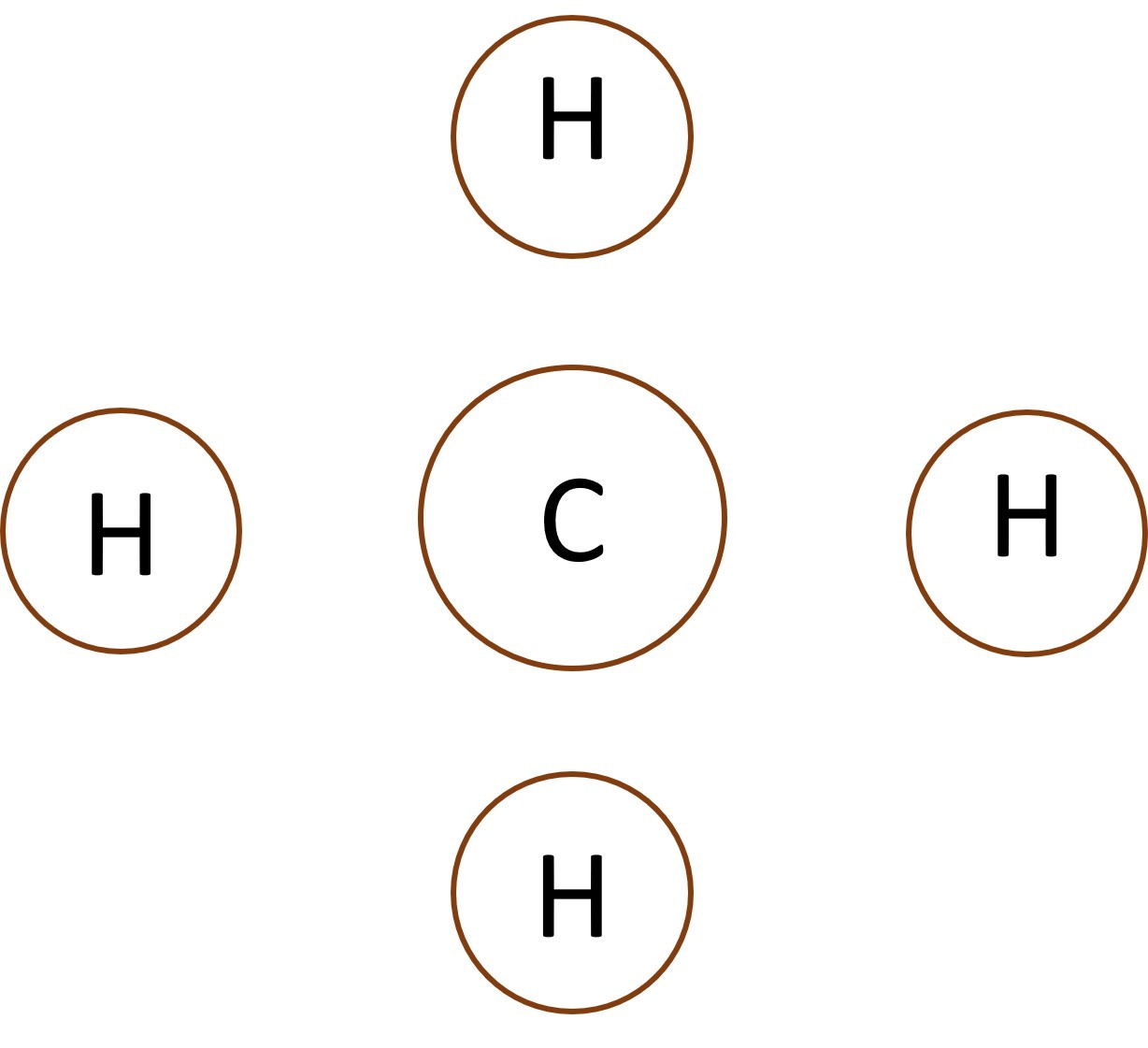
When non-
metal
atoms
bond to other non-
metal
atoms
...
Wednesday, 10 October 2018
1.29 Calculating masses
David Fowkes
IGCSE Chemistry
Magnesium is a highly reactive
metal
which reacts ...
Wednesday, 10 October 2018
Elements, compounds and mixtures
David Fowkes
IGCSE Chemistry
Sun, sea, sand and air.
Elements
, compounds or mixtures?
Wednesday, 10 October 2018
Crude oil - fractional distillation
David Fowkes
IGCSE Chemistry
Crude oil is a mixture of alkanes ( hydrocar...
Tuesday, 10 July 2018
Bond angles
David Fowkes
IGCSE Chemistry
Use the animation to measure the bond angles in ea...
Tuesday, 10 July 2018
Electrolysis
David Fowkes
IGCSE Chemistry
a game to test your skills
Monday, 02 July 2018
Structure and bonding
David Fowkes
IGCSE Chemistry
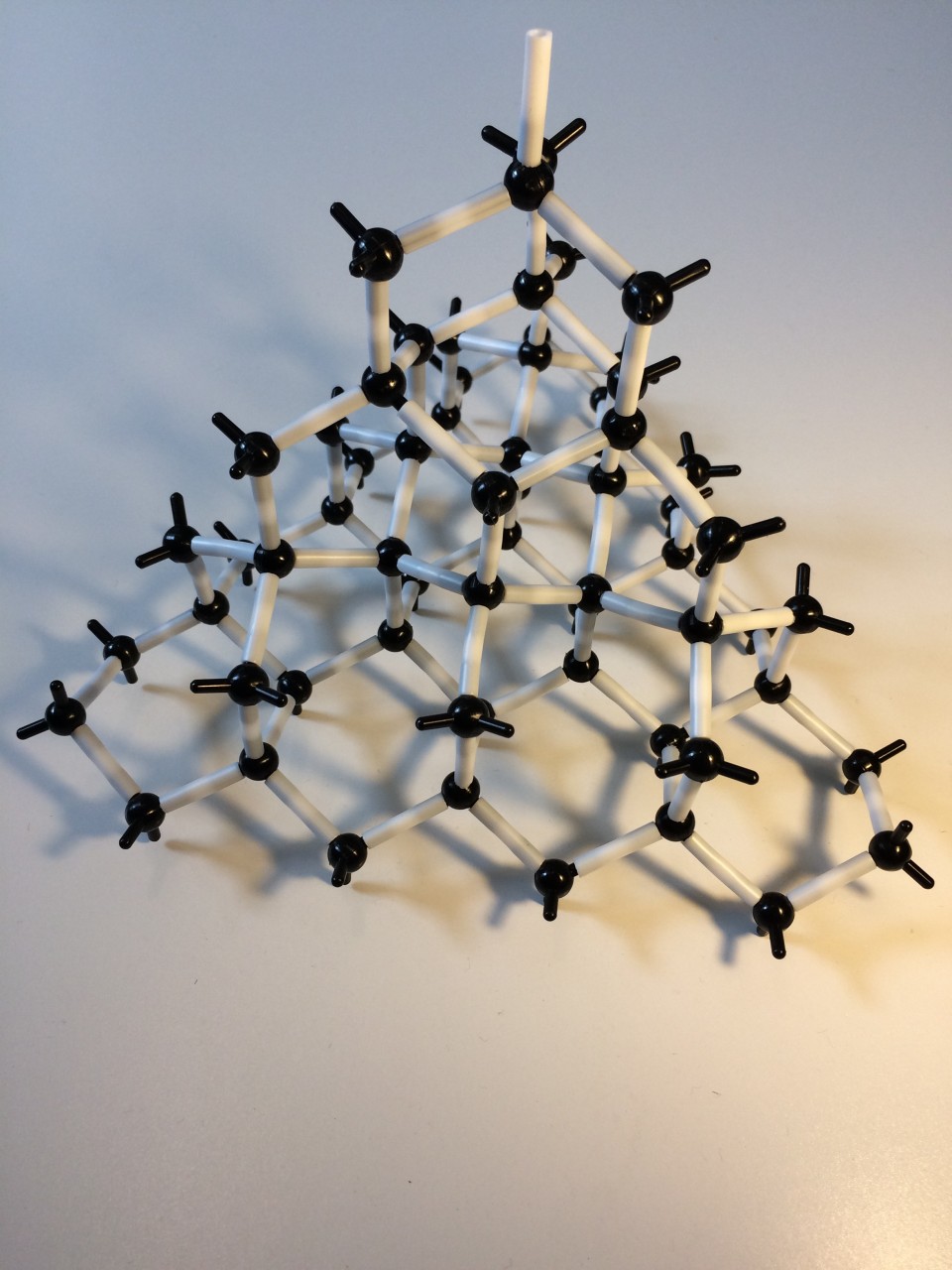
Diamond has a giant covalent structure . in this topic, we have looked at the way in which ...
Thursday, 28 June 2018
Forming a lattice
David Fowkes
IGCSE Chemistry
The images below show how an ionic lattice forms&n...
Monday, 18 June 2018
A Kp problem
David Fowkes
Chemistry A Level
This problem looks at Kp and the values of p...
Saturday, 02 June 2018
First Page
Previous Page
11
12
13
14
15
16
17
18
19
20
Next Page
Last Page
A LEVEL CHEMISTRY
A LEVEL CHEMISTRY
1. PRACTICAL SKILLS
3
Basic organic practical techniques
Cabbage juice indicator
Edexcel paper 3
2. FOUNDATIONS
5
Atom economy and fertiliser production
Intermolecular forces
Ionisation energies
Molecular shapes
Hess
3. PERIODIC TABLE AND ENERGY
1
redox reactions
4. CORE ORGANIC CHEMISTRY
1
Carbonyls
5. PHYSICAL CHEMSTRY AND TRANSITION ELEMENTS
8
Electrochemistry 1
Electrochemistry 2
Rate determining steps
Rates and temperature
Transition elements
Acid base equilibria
Lattice Enthalpy
Equilibria - introduction
6. ORGANIC CHEMISTRY AND ANALYSIS
6
Bonding in Alkenes
NMR spectroscopy
Amines, amides and amino acids
Chromatography
Mass spectrometry
Aromatic compounds
Search
Sign In
1. PRINCIPLES OF CHEMISTRY
a. States of matter
1.1 - 1.2 The three states
1.3 A particular problem
1.4 - 1.7 Solubility curves
b. Elements, compounds and mixtures
1.8 Element or compound?
1.10 Separation techniques
1.10 - 1.13 Chromatography
c. Atomic Structure
1.15 Subatomic particles
1.16 Isotopes
1.14 Atoms and molecules
1.17 Relative atomic mass
d. The Periodic Table
1.18 Organising elements
1.19 Deducing electron configurations
1.20 -1.22 Periodic patterns
1.23 - 1.24 Family groups
e. Chemical formulae, equations and calculations
1.26 Calculating relative masses
1.27 The mole
1.28 Moles and mountains
1.29 Reacting masses
1.30 Calculating percentage yield
1.31 Finding formulae
1.34 concentrated calculations
f. Ionic bonding (3)
1.38 Know your ions
1.37 Transferring charge
1.39 Finding formulae
g. Covalent bonding
1.44 Covalent bonds: Sharing nicely
1.45 Covalent bonding : opposites attract
1.46 Small covalent molecules
1.47 - 1.48 Simple molecules
1.49 - 1.51 Covalent giants
h. Metallic bonding
1.52C Modelling metals
1.53C Metallic bonds
1.54C Metallic properties
i. Electrolysis
1.55 Free of charge ( carriers)
1.58 Molten electrolytes
1.55 -1.57 Know your anions
1.59 Half equations
2. INORGANIC CHEMISTRY
a. Group 1 elements
b. Group 7 elements
c. Gases in the atmosphere
d. Reactivity series
e. Extraction and uses of metals
f. Acids, alkalis and titrations
2.31 - 2.32 Neutralisation
2.28 - 2.30 Use your indicators
2.33 Titrations
g. Acids alkalis and salt preparations
2.35 - 2.36 Proton transfer
2.34 The best solution
2.37 - 2.39 Acid reactions
2.39 - 2.43 Making salts
h. Chemical tests
2.44 Tests for gases
2.46 Flame colours
2.47 Testing for other cations
2.48 Testing anions
2.45 Flame testing
3. PHYSICAL CHEMISTRY
a. Energetics
3.1 Exothermic and Endothermic
3.3 Calculating energy
b. Rates of reaction
c. Reversible reactions and equilibria
4: ORGANIC CHEMISTRY
a. Introduction
4.5 Organic formulae
4.3 Isomers
4.4 Naming organic compounds
b. Crude oil
4.7 A crude mix
4.8 Fractional distillation
4.9 - 4.10 Fractional trends
4.11 -4.12 Combustion
c. Alkanes
4.19 The alkanes
4.20 - 4.21 Saturated hydrocarbons
4.22 Substitution by chlorine
d. Alkenes
4.23 The Alkenes
4.24 General formulae
4.26 Naming alkenes
4.25 Unsaturation vs saturation
4.27 Bromine test
e. Alcohols
4.29C - 4.30 Handle with care
4.32C Adding Oxygen (3)
4.31C Alcoholic naming (3)
4.33C Optimum fermentation (3)
f. Carboxylic acids
4.34C Carboxylic acid aka "- COOH"
4.35C Carboxylic formulae
4.36C Carboxylic reactions (3)
4.37C Vinegar (3)
g. Esters
4.38 A fragrant functional group (3)
4.39 - 4.40 Ethyl ethanoate (3)
4.41 Ester by name (3)
4.43 Making an Ester (3)
h. Synthetic polymers
Online courses